
Have you ever seen pictures of wild horses running free across wide open plains in the West? Those are probably Mustangs! These tough, brave horses are like living symbols of the American West. Descendents from horses brought to the Americas by Spanish colonizers in the early 16th century.
When I first saw a Mustang up close, I noticed it looked different from other horses. It had some scars... its mane was a bit messy... there was a cetain look in its eyes...
It made me wonder: How long do these amazing animals live? Do they live longer because they’re so tough, or does living in the wild make their lives shorter?
If you’re new to learning about horses, you might think “wild” means “super strong and lives forever.” But the truth is more interesting than that. How long a Mustang lives depends a lot on where it lives—out in the wild or in a barn with people taking care of it.
In this guide, we’ll learn about how long these special horses live and what helps them stay healthy for many years.
What Are Mustang Horses?
Mustangs are wild horses that live in western North America. But here’s something cool: they weren’t always wild! Their great-great-great-grandparents were actually domestic horses that Spanish explorers brought to America hundreds of years ago. At some point, some of those horses escaped or were released, and over time, they learned to live on their own in the wild.
These horses are very good at surviving in challenging environments. They can live in rocky areas, handle hot summers and cold winters, and find food and water even when it’s hard. They have strong hooves, sturdy bodies, and they’re very smart about staying safe.
Mustangs live in herds led by a dominant mare who selects her stallion. In dangerous situations, the dominant mare will lead the herd to safety while the stallion stays to protect them. Mustangs can travel up to twenty miles per day over wild terrain. They are generally mid-sized horses, averaging approximately 14 to 15 hands in height. Depending on their genetics, they come in a variety of coat colors, including bay and sorrel, and can have patches, spots, and striping.
Fun Fact: In the Wild West era, 'mustang runners' were cowboys who caught and tamed wild Mustangs. After training, they would often sell mustangs, making them an important part of cowboy history and tradition.

History and Evolution of Mustangs
The story of Mustang horses is as wild and fascinating as the landscapes they roam. Mustangs are often called America’s wild horses, but their roots actually trace back to domesticated horses brought to the Americas by Spanish explorers in the 1500s. These early Spanish horses—tough, agile breeds like the Andalusian, Arabian, and Barb—were prized for their strength and endurance. Over time, some of these horses escaped or were set free, and their descendants became the feral horses we now know as Mustangs.
While Mustangs are famous for being wild and free-roaming across the western United States, they are technically feral horses because their ancestors were once domesticated. Living in the wild for generations, Mustangs have adapted to survive in harsh environments, from rocky deserts to grassy plains. Natural selection has played a significant role in shaping these horses—only the strongest and most adaptable survived, resulting in the hardy, resilient Mustangs we see today.
Mustangs have been a vital part of American history. Native American tribes and early settlers relied on these horses for transportation, hunting, and companionship. Mustangs contributed to the West's history and pioneer spirit, enabling travel, trade, and exploration of new territories. The very name “Mustang” comes from the Spanish word “mestengo,” meaning “stray” or “ownerless,” a nod to their origins as free-roaming horse populations.
Today, wild free-roaming Mustangs are mostly found in the western United States, especially in states like Nevada, California, Oregon, and Wyoming. They continue to capture the imagination of horse lovers and symbolize the untamed spirit of the American West. Organizations like the Mustang Heritage Foundation work hard to protect these horses, promote adoption, and educate the public about their care and importance.
What Is the Average Lifespan of Mustangs?
Let’s get straight to the answer! What is the average lifespan of horses, especially Mustangs?
In the Wild: 15 to 20 years (the lifespan of wild Mustangs is typically closer to 15 years due to harsh conditions and limited veterinary care)
Living with People (Domestic): 25 to 30 years (sometimes even older!)
That’s a pretty big difference, right? Even though Mustangs are naturally tough, living in the wild is really hard. When a Mustang gets adopted, and lives in a situation where food is always available, and a veterinarian (animal doctor) can help when needed, they almost always live longer than wild Mustangs.
If you’re wondering how long horses live in general, most domestic horses have a similar lifespan to domestic Mustangs, but wild horses often face more challenges and have shorter lives.
The key lesson: Mustangs can live a long time, but proper care helps them reach those older ages.
Life in the Wild
To understand why wild Mustangs don’t live as long, we need to think about what their daily life is like...
It’s not all pretty sunsets and green grass!
Mustangs survive in tough places, often facing harsh weather, scarce food, and rough terrain. Their uniquely hard and durable hooves, compared to those of other equines, help them travel in these arduous environments with less injury.
Wild Mustangs face threats such as:
Predators: Predation by wolves and cougars is an important factor affecting the lifespan of wild horses.
Disease and parasites
Accidents and injuries
Injuries sustained while evading predators can affect a wild horse's ability to find food and water, further shortening their lifespan.
Habitat loss has historically affected the lifespan of wild horses by forcing them into smaller areas with limited resources.
The Hard Parts of Life in the Wild
Wild Mustangs are survivors, but they face tough challenges every single day:
Finding Food and Water: In the West, there isn't always abundant rainfall. Mustangs sometimes have to walk for miles across rocky ground just to find a small pool of water or some dry grass to eat.
Getting Hurt Without Help: This is a big problem. If a domestic horse injures its leg, people can help it rest and recover. If a wild Mustang hurts its leg, it might not be able to keep up with its family group or run away from danger.
Extreme Weather: They live outside all the time. Whether it's super hot in summer or freezing cold in winter with snow, they don't always have a shelter to retreat to.
Fighting: Male horses (called stallions) sometimes fight each other. These fights can cause injuries that might become infected without medical treatment.
Predators: Animals such as mountain lions can be dangerous, especially to baby horses (foals) and older horses that can't run as fast.
Why Wild Mustangs Have Shorter Lives
When you add up all these challenges, it makes sense that 15 to 20 years is the average for wild Mustangs. Small problems can turn into big ones without help. In rare cases, wild Mustangs can live up to 40 years, though this is uncommon.
Think about their teeth. As horses get older, their teeth wear down from chewing, and the grinding surfaces become smoother, making it harder to chew tough forage.
In a barn, people give older horses soft food when their teeth get too worn. In the wild, if a horse’s teeth wear out or dental disease develops, the horse becomes unable to eat or is unable to eat effectively, which can severely impact its survival. It’s sad, but that’s how nature works.

My mustang (Dart) feeding in the pasture. He is orginally from the Devil's Garden Plateau Wild Horse Territory.
Life with People (Domestic Care)
Now, let’s talk about what happens when you take that same tough horse and give it a good home. This is where things get really interesting!
Some people joke that Mustangs can “get fat just by breathing air” because their bodies are super good at using every bit of food they eat. When you combine that with good care—like an appropriate diet, exercise, hoof care, dental checkups, and doctor visits—you get a horse that can live a really long time.
Access to consistent, high-quality food and water in captivity promotes better health for Mustangs.
Regular hoof maintenance is important for preventing lameness and promoting mobility.
Comprehensive care, including diet, exercise, and hoof care, is essential for healthy aging and longevity in Mustangs.
Why Mustangs Live Longer in Homes
It’s all about taking away the hard survival stuff:
Regular Food: They don’t have to walk 20 miles to find dinner. Someone brings them good hay (and sometimes grain).
Hoof Care: Instead of walking on rocks all day (which helps to wear down their hooves), a farrier (hoof expert) trims their hooves every 6 to 8 weeks to keep their feet healthy. Keeping the horse's feet in good shape is key to their long-term soundness. Thin-soled horses may require special shoeing or support to prevent pain and hoof problems as they age.
Dental Care: A horse dentist checks their teeth once a year to file down any sharp edges. Regular dental and veterinary care is essential for Mustangs to prevent health issues as they age. This helps them chew their food properly, even as they get older.
Vet Visits: From shots and medication to treating cuts, veterinary care helps prevent small problems from becoming serious.
Shelter: They can get out of bad weather when they need to.
Are Mustangs Healthier Than Other Horses?
You might hear people say that Mustangs are super healthy and almost impossible to hurt. While that’s not entirely accurate, there is some merit to it.
The original Mustangs were Colonial Spanish horses, but over time, many other breeds and types contributed to the modern Mustang. This mix has produced mustangs with diverse phenotypes and a wide range of physical traits.
Mustangs aren’t immune to getting sick. But for many generations, only the strongest, healthiest horses in the wild survived to have babies. This means Mustangs usually have very strong hooves and bones. They might have fewer health problems than some fancy show horses.
But here’s the important part: Good care matters more than what type of horse you have. A Mustang that eats too much sugary food and never gets exercise will get sick just like any other horse. Being tough doesn’t mean they can’t get sick.
Comparing Mustangs to Other Horses
If you’re thinking about getting your first horse, you might wonder how Mustangs compare to other types. Here’s a quick look:
Quarter Horses: Live about as long as Mustangs—often into their late 20s or early 30s with good care
Arabian Horses: Often live the longest—sometimes into their mid-30s
Big Draft Horses (like Clydesdales): Usually live shorter lives, around 18 to 20 years, because their large size is hard on their hearts and joints
Ponies: Breeds especially ponies tend to live a very long time—sometimes into their 40s! It is not uncommon for pony breeds to live into their forties.
When comparing lifespans and growth patterns, it's important to consider a horse's maturity and the stages of maturity. Different breeds reach developmental milestones at different ages, which can affect their overall health and longevity.

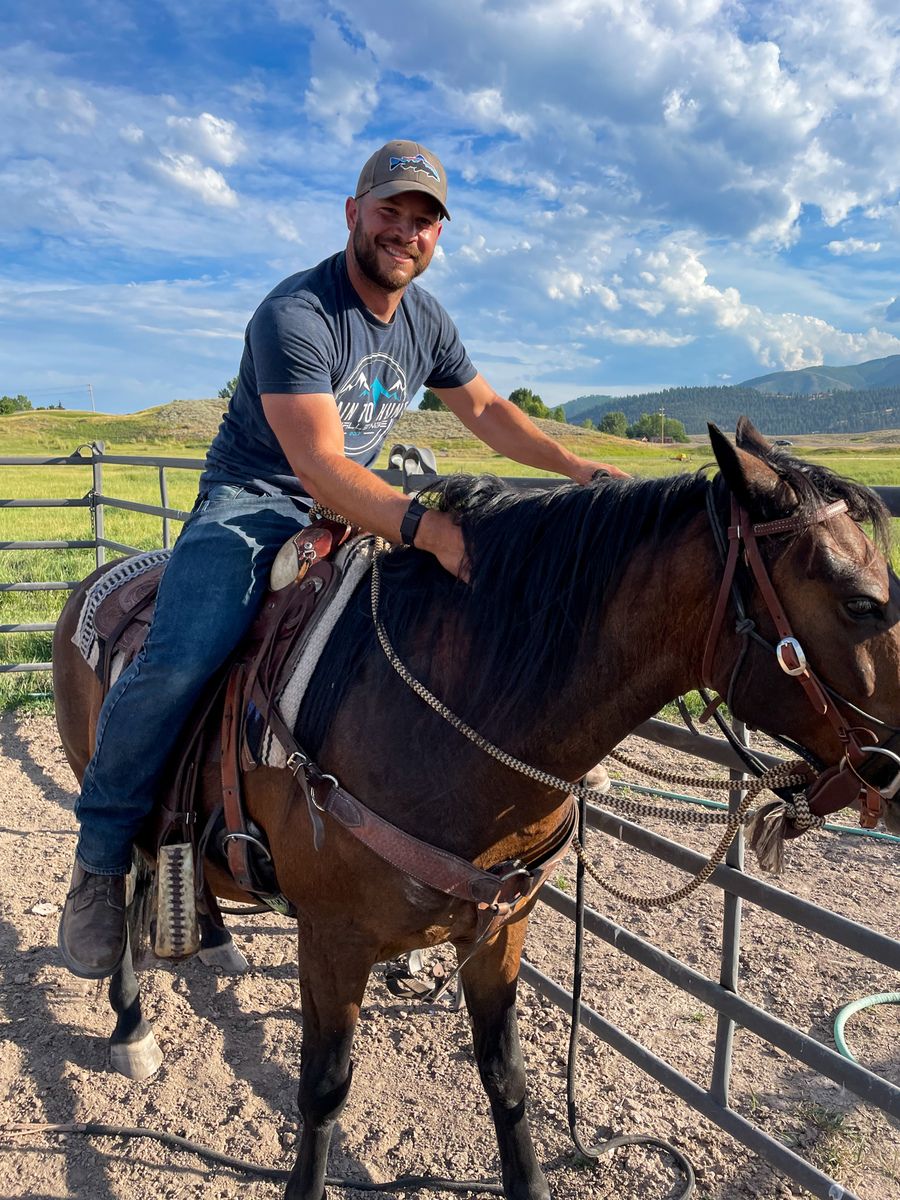
A session working on "fence mounting" with my Devil's Garden Mustang, Dart.
What Helps a Mustang Live a Long Life?
If you bring a Mustang into your life, you’re in charge of helping it live as long as possible.
To improve your horse's lifespan, focus on comprehensive care practices, including a proper diet, regular exercise, and a safe environment. Over time, the care of the modern horse has evolved, with advances in nutrition, hoof care, and veterinary medicine playing a significant role. Proper nutrition, dental care, and veterinary attention can extend the lives of Mustangs in captivity.
Here are the most important things:
1. The Right Food
This is super important! Mustangs are “easy keepers,” which means their bodies are designed to survive on very little food—like dry grass and scrubby plants in the desert.
As foals grow, their nutrition shifts from primarily milk to mostly forages and grains. During weaning, their diet shifts from primarily milk to primarily forages and grains, supporting their growth and development. This transition from primarily milk to mostly forages is a natural part of their maturation.
When we bring them home and give them rich, green hay and sweet grain, it’s like eating fast food for every meal. It might taste good, but it causes health problems. Many Mustangs brought into domestic settings become overweight, which can make them very sick with laminitis (a painful hoof disease).
For older Mustangs, a diet of primarily hay or grass is ideal. Targeted nutrition is critical for senior Mustangs, especially those with dental issues who may struggle to chew properly.
The secret: Give them low-sugar hay, add vitamins, and limit how much rich grass they eat.
2. Taking Care of Hooves and Teeth
In the wild, hooves wear down naturally from walking on rocks all day. In a soft pasture, they don’t. Some people think Mustangs don’t need their hooves trimmed, but that’s wrong! Without regular trimming, their hooves will grow too long, causing problems. Overgrown feet can exacerbate discomfort in aging horses, especially those with arthritis, and worsen discomfort from conditions such as lameness. Neglecting hoof maintenance can significantly increase their suffering.
Teeth are just as important. As horses age, their teeth wear down. If they wear unevenly, the horse can’t chew properly. Early dental floating and regular dental maintenance in a horse's life are proactive measures to prevent dental issues and age-related complications. A horse that can’t chew can’t get the nutrition it needs to stay healthy. A horse dentist should check their teeth once a year. Addressing their medical conditions early can help prevent complications and extend their lifespan.
3. Friendship and Space
This is challenging for Mustangs that were once wild. In the wild, horses live in family groups. Being alone is scary for them.
A Mustang kept alone in a stall will be stressed out, and stress makes animals sick and shortens their lives. They do much better when they can see other horses and move around in a pasture instead of being locked in a small space.
4. Patient Training
How you train a Mustang actually affects how long it lives!
A Mustang that gets scared easily and panics might run through a fence and get badly hurt. Slow, gentle training helps the horse learn to be safe in its new home.
If you're new to horses, working with a trainer who understands wild horses is really important. It keeps both you and the horse safe.
Do Adopted Mustangs Live Happy Lives?
Some people worry that taking a horse from the wild will make it sad. But the truth is yes—adopted Mustangs can live long, happy, and healthy lives! In fact, adopted Mustangs that receive proper veterinary care and high-quality feed can live well into their late 20s or 30s.
I’ve seen Mustangs go from living in the Nevada desert to becoming great trail horses, show horses, trail riding companions, and even therapy horses that help people feel better. Mustangs are known for their stamina and speed, making them suitable for a range of equestrian activities. Once they trust a human, that friendship is incredibly strong.
Groups such as the Bureau of Land Management (BLM) offer programs to help people adopt these horses. The first year can be an adjustment period, but once Mustangs realize they always have water, food, and safety, they usually adapt really well.
Common Myths About Mustangs
Let’s clear up some things people get wrong:
Myth 1: “Mustangs live longer because they’re wild.” Truth: Actually, the wild is really hard! Living with people almost always helps them live longer. However, domestic horses may experience more stress and health problems than wild horses, which can affect their lifespan.
Myth 2: “Mustangs don’t need vet care because they’re so strong.” Truth: They’re strong, but they still get sick and hurt. They need the same doctor visits and shots as any other horse.
Myth 3: “You can’t teach an older wild Mustang to live with people.” Truth: While younger horses are easier to train, older Mustangs can definitely learn to live happily with people. It just takes more time and patience. Over time, Mustangs and other horses have evolved from primarily work animals to companions and teammates, reflecting how their role with humans has shifted.
Are Mustangs Good for Beginners?
You might be wondering if a Mustang is a good first horse. Here’s the honest answer:
Mustangs are affordable (adoption can cost as little as $25–$125), and they’re tough. But an untrained wild Mustang is usually not a good choice for someone just starting out.
However, a Mustang that has already been trained is a different story! If you can find a Mustang that has already been ridden and is used to people, it can be an amazing partner. They’re often really smart and careful, which can make them good at keeping their rider safe.
It’s important to remember that owning any horse, including a Mustang, involves a significant time and financial commitment. The financial commitment for horse ownership includes ongoing costs for feed, veterinary care, and shelter throughout their long lifespan.
If you’re new to horses, don’t be afraid of Mustangs—just look for one that has already been trained by a professional. You want a partner you can learn with, not one you have to teach everything from the beginning.
Frequently Asked Questions
Q: How old can a Mustang live? With excellent care, some Mustangs have lived into their mid-to-late 30s! But 25–30 years is more typical.
Q: Can Mustangs live into their 30s? Yes! It’s becoming more common as horse care gets better, just like how people are living longer, too.
Q: Do wild Mustangs die younger than pet horses? Usually, yes. The challenges of the wild—such as predators, drought, and lack of medical care—typically mean they live 15–20 years.
Q: How can I help a Mustang live a long life? Give them the right food (not too much sugar), keep their hooves trimmed, make sure they have horse friends, and take them to the vet and dentist regularly.
Q: How many wild Mustangs are there in the United States? As of March 1, 2018, the wild Mustang population in the United States was estimated at approximately 67,000.
Q: Who manages wild Mustangs? The Bureau of Land Management (BLM) is responsible for managing and protecting the free-roaming Mustang population in the United States.
Q: What laws protect wild Mustangs? The Wild Horse Annie Act, passed in 1959, provided for the humane treatment of wild horses on federal lands. Later, Congress passed the Wild Free-Roaming Horses and Burros Act of 1971 to further protect wild horses and burros on public lands.
Q: How can I adopt a Mustang? The Mustang Heritage Foundation was established to help facilitate successful adoptions for America's excess mustangs.
What Really Matters
At the end of the day, whether a Mustang lives to be 15 or 35 depends mostly on how well you take care of it.
If you’re lucky enough to bring a Mustang into your life, you’re not just getting a horse—you’re helping protect a piece of American history. Mustangs are the wild horses of the Western United States, descended from horses brought to the Americas by Spanish colonizers in the early 16th century. Wild free-roaming horses are protected under federal law and are an iconic symbol of the American West.
The wild horse holds a special place in our culture and landscape, representing freedom and resilience. By caring for America's wild horses, you contribute to the ongoing legacy and conservation of these remarkable animals.
The secret to a long life isn’t magic. It’s learning what your horse needs and giving it the best care you can.