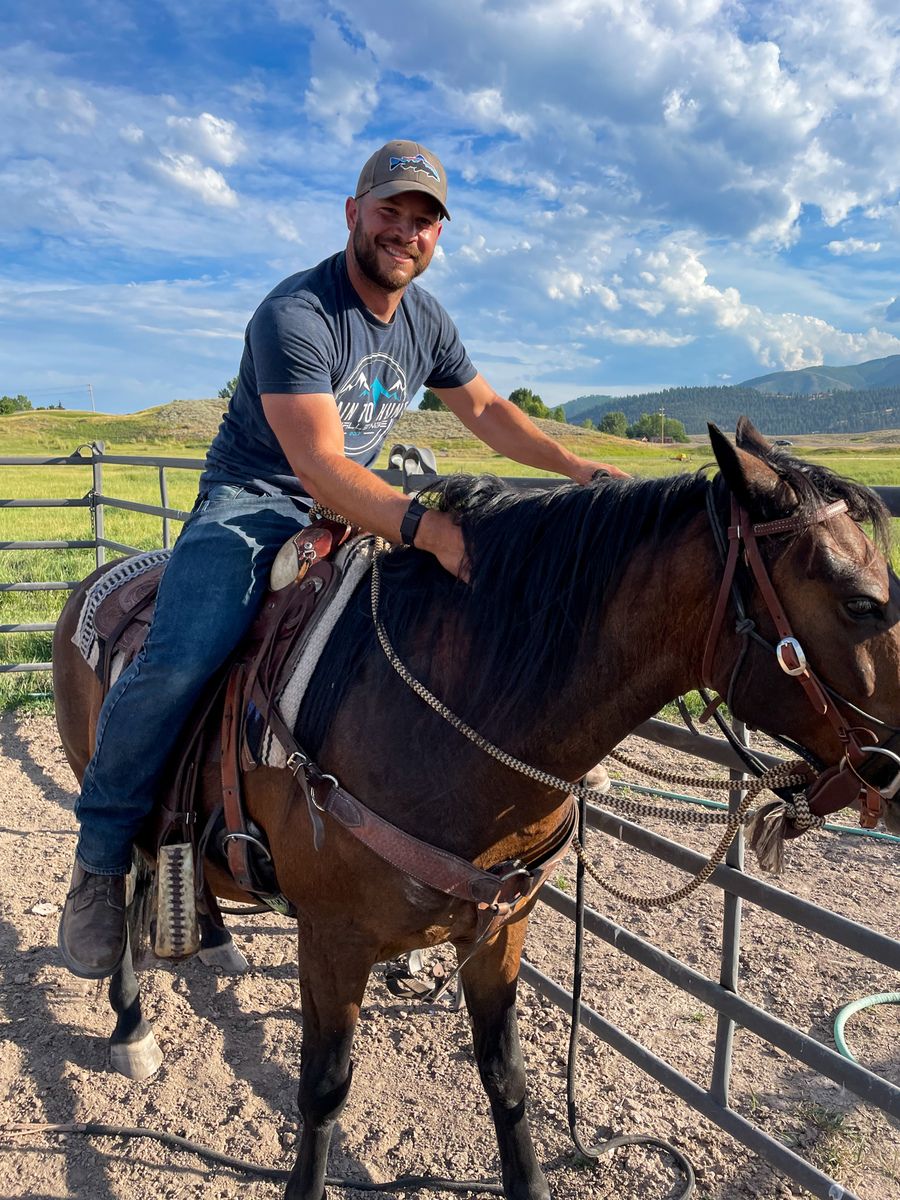

Are you just starting your adventure in the wonderful world of horses?
It’s pretty exciting, isn’t it?
There’s so much to learn, but today, I’m here to guide you through one of the basics to help you feel more like an insider.
Have you ever heard the term “gelding” and wondered, “What is a gelding?”
Don’t worry, you’re not alone. A gelding is simply a male horse that has been neutered, meaning he can’t produce offspring. Interestingly, Aristotle mentions gelding practices as far back as 350 BCE, showing that this procedure has deep historical roots in horse management.
It’s a common practice to make horses more manageable, calm, and focused (eliminating some of the male hormones)—qualities that are great whether you’re into leisure riding, competition, or working with horses in any capacity. Animal science offers important insights into why and how gelding is performed, which we’ll explore in more detail later.
Key Takeaways
The practice of gelding horses dates back to ancient times, specifically referencing Aristotle's discussion on the subject around 350 BCE.
Mixing Stallions and Geldings: While challenging, fostering a harmonious coexistence between stallions and geldings in the same pasture is possible. This requires a deep understanding of horse behavior, careful monitoring, and strategic intervention to ensure the safety and well-being of all horses involved.
Patience and Professional Guidance: Successfully integrating male horses (stallions and geldings) demands patience, dedication, and sometimes professional advice. A harmonious mixed herd is achievable with a thoughtful approach and consistent effort, leading to a tranquil and happy environment for your equine family.
What does a gelding horse mean?
Well, as we’ve touched on, a gelding horse is a male horse that has been castrated through a castration procedure, also known as the gelding procedure. This surgical procedure is performed by a veterinarian and involves the removal of the horse's testicles. By removing the testicles, the procedure lowers testosterone levels, which is why geldings are generally calmer, more manageable, and easier to train, so they’re often preferred by inexperienced riders because they are typically safer and easier to handle.
This decision is usually made to ensure a horse is more sociable, gentle, and easier to handle - something hugely beneficial for those competing, trail riding, and recreational riding horses.
It’s a bit like taking the edge off; without the distractions that can come with being a stallion, a gelding tends to have a calmer demeanor, making them super reliable and steady friends.
When Do You Geld a Horse?

Now, you might question, “Is this the right choice for every male horse?”
There’s no one-size-fits-all answer here. It comes down to what you hope to achieve with your horse. If you’re not planning to breed and are looking for a companion that’s a tad more laid-back and focused, a gelding might be your best bet. Only a small percentage of males are kept as stallions, and about 10% should remain intact for breeding.
Horses gelded are often better behaved and show less aggressive behavior than stallions, which leads to enhanced safety for handlers and makes it easier for them to live peacefully with other horses, especially in group or family settings. Geldings are also more responsive to training efforts, making them ideal for riders of all experience levels and valued for everyday work as well as riding companionship. Additionally, due to hormonal differences after the procedure, geldings may grow slightly taller than stallions.
Remember, it’s all about finding that perfect partner in crime (or, should I say, in riding!).
Optimal Age for Gelding a Horse
Picking the right time to geld a horse or young colt is more art than science—it hinges on factors like breed, intended use, and even your horse’s individual personality.
The gelding process is typically performed by a veterinarian and involves careful consideration of the horse's age and health to ensure the best outcome. But, if we’re painting with broad strokes, most vets and horse pros recommend doing it between six months to two years of age, and many prefer to geld a colt before it is one year old once the testicles have descended into the scrotum.
This sweet spot allows your horse to mature physically without too many of the behavioral traits of a stallion kicking in. Gelding before a horse reaches sexual maturity can also mean young horses castrated before two years old often behave more like female horses.
The thing is, every horse is a unique individual. This means that while some might be ready to be gelded at six months, others might need more time to fill out and show what they’re really made of. The right timing depends on "maturity," not age.
At the end of the day, chatting with your vet and maybe even a trainer (or at least someone with extensive horse knowledge that you trust) can give you the insights you need. They can help you weigh the pros and cons and decide on timing based on the individual horse, especially if you’re considering the procedure for a young horse.
After gelding, introducing light exercise during recovery is important to promote healing, reduce swelling, and help prevent complications.
Types of Castration
Maybe this is more information that is necessary; but, I find that (although you don't plan on performing the procedures yourself) it is important to understand the nuances of castration procedure options.
There are two main ways to approach gelding: standing castration and recumbent castration. Each one has its place.
Standing castration - this is what you will usually see most vets go with, especially for the younger horses.
The horse stays standing (hence the name), gets some sedation to keep things calm, and local anesthesia to numb everything up. When performed by a veterinarian, it's generally considered a simple procedure. Many consider this approach much less stressful for the horse. They recover faster too, which... let's be honest, that's always a relief.
This approach works great for young, calm horses, and if you're planning to get back to riding or group activities soon after, it's usually the way to go.
The biggest thing?
You avoid all those risks that come with putting a horse completely under... and trust me, that's not something you want to mess around with if you don't have to.
Recumbent castration, on the other hand... well, this is where the horse goes completely under general anesthesia and lies down for the whole surgery. This procedue may be used more often with older stallions, bigger horses, or when there are specific health concerns that make standing just not practical. During the operation, the testicles are surgically removed. The vet gets better access and control this way, which can be crucial in certain situations. Sure, it means more aftercare and monitoring afterwards, but sometimes it's just the safer option when standing castration isn't going to work out.
If you're thinking about gelding, doing it before that horse hits sexual maturity - usually somewhere between 12 and 18 months - may help reduce later stallion-like behavior without guaranteeing every habit will disappear. Studies show gelding does not affect growth rate, even though some people believe geldings may end up slightly taller. Horses that were gelded late can still carry around those aggressive behaviors and territorial instincts that come with being an intact male.
You know, it's fascinating when you dig into the history of this practice. We're talking thousands of years here - even Aristotle was writing about gelding as a way to manage breeding and improve temperament. When I think about wild herds, those dominant stallions are constantly driving out other males, creating these bachelor groups that... actually, it's not that different from what we see in domestic herds with multiple geldings. In our managed settings, gelding just makes practical sense - it prevents unwanted breeding and ensures we're only using proven stallions for actual breeding purposes.
The decision about when to geld... look, this isn't something you should wing. I always tell people to work closely with their vet on this one. The American Association of Equine Practitioners has solid recommendations about considering the horse's age, health, and what you're planning to use them for. Possible complications occur in roughly 6% to 22% of cases, which is why veterinary planning and follow-up matter. And for the love of all that's holy, make sure you're providing proper pain relief and aftercare.
With the right management, these gelded horses can have an absolutely fantastic quality of life - no more dealing with aggressive or territorial nonsense, and (when paired with proper training) they become reliable partners for riders at any level.
So here's the thing... understanding castration and its role in horse care isn't just some academic exercise. Whether you're managing breeding stock, getting a young horse ready for a future under saddle, or just trying to improve the overall dynamic of your herd, gelding is one of the most valuable tools we have.
With good veterinary guidance and a thoughtful approach to each individual horse's needs, you can set your gelded horses up to absolutely thrive - whether they're out in the pasture or carrying riders. It's one of those decisions that... well, when done right, it just makes everything else so much easier.
Caring for a Gelded Horse
Caring for a gelded horse might seem simpler due to their more even-keeled temperament, but it still requires a good deal of attentiveness and understanding. Stud management practices play a key role in determining which horses are gelded and which are kept as breeding stallions, based on breeding goals and the overall health and behavior of the horse. After all, every horse, gelding or not, deserves the utmost care.
After surgery, post-gelding care should include watching the horse's behavior for signs of pain or discomfort, checking for swelling or discharge, and keeping the incision clean to prevent infection.
First things first, a balanced diet is key. Geldings, being the laid-back fellows they are, might not burn through calories as quickly as their more spirited stallion counterparts, and some may gain weight after the procedure as metabolism slows, so monitoring their feed and body condition to keep them in tip-top shape is crucial.
Exercise is another critical component. During recovery, appropriate movement can help support healing after surgery, and once healed, regular conditioning helps maintain their health and happiness. Plus, there’s nothing quite like the bond you build working together through steady, consistent training.
Routine health care, including regular check-ups with the vet, vaccinations, dental care, and hoof care, cannot be overlooked. It’s the foundation of a long, happy life alongside your equine companion, and is a responsibility shared by dedicated horse people who devote themselves to the care and management of geldings and other horses.
The Behavior of Stallions Versus Geldings

When we talk about the differences in behavior between stallions and geldings, it’s like comparing apples to oranges - both are horses, sure, but the similarities can end there.
Stallions tend to have a rep for being a bit more, shall we say, spirited…
They’re influenced by their hormones, which can make them more assertive, territorial, and sometimes challenging to handle, especially for those who aren’t as experienced. Intact males, stallions, are often more sexually aggressive and can be more difficult to manage, particularly in breeding or herd situations. In contrast, a castrated male horse is generally valued in the horse world where calm, rideable temperaments are prized. Stallions tend to be more muscular and have thicker necks, which are physical attributes that complement their assertive behavior.
Gelding horses, on the other hand, tend to be the chill dudes of the equine world. Without those raging hormones and less of a concern for mares, they’re generally more relaxed, cooperative, and easier to manage, making them ideal riding horses for both beginners and experienced equestrians and often preferred for safety in youth horse shows. Some stallion-like behaviors may persist in geldings as learned behavior, even after castration, and about 30% may still show some of these behaviors, but these are often trainable and not solely due to hormones. This doesn’t mean they’re any less spirited or capable; it’s just that their energy tends to be more focused on their work or play rather than on proving their dominance or finding a mate.
Ultimately, choosing between a stallion and a gelding boils down to what you’re looking for in a horse and how much time and experience you’ve got.
If you’re not using your horse for breeding purposes and are after a laid-back, dependable companion ready to focus on the trail ahead or the job at hand, a castrated male is often the pick when reliability matters more than breeding potential, and a gelding might be your best bet.
Why Are Some People Against Gelded Male Horses?
The topic of gelding male horses often sparks a heated debate among horse enthusiasts. At the heart of the controversy are concerns about ethics, natural behavior, and the long-term health implications for the horse.
Some argue that gelding a horse can prevent natural behaviors, impacting their ability to socialize and fit into herd dynamics as they would in the wild. There’s also a perspective that it’s a decision made for the convenience of the owner rather than the welfare of the horse, but responsible equine management also considers preventing unwanted horses when a male is not going to be used for breeding. Understanding equine reproductive physiology is crucial in this debate, as it sheds light on how gelding affects growth, behavior, and overall health, offering a scientific foundation for this practice's ethical and health implications.
However, it’s essential to consider the broader picture.
In managed-care environments like farms or stables, the reality is that not every castrated male kept intact as a stallion is suitable for breeding, and limiting breeding supports both herd management and owner responsibility. Gelding can help reduce aggression, making horses more manageable, safer around people, and more compatible with other horses. This doesn’t just have implications for their physical wellbeing, but mentally and socially too, allowing them to participate in communal activities without the complexities dominant stallion behavior might introduce.
Ultimately, the decision to geld should always be approached with the horse’s best interests at heart, weighing the benefits against potential drawbacks. And it’s here, in this space of thoughtful consideration, respect, and care, where we see the true essence of responsible horse ownership shine through.
Remember, every situation is unique, and what works for one horse might not be the best for another.
Summary
When you find yourself at the crossroads of making such a decision, remember that it's not just about the here and now but the long-term happiness and health of your horse. Chat with your vet, talk to seasoned horse owners, and listen to their stories. Their insights can offer you a panoramic view, helping you see beyond the immediate and understand the full scope of your choice.
But above all, trust in your connection with your horse. You know them better than anyone else: their quirks, joys, and what makes them unique. It's this bond that makes your decision so important and deeply personal. Gelding is more than veterinary surgery; it's a choice that shapes their life and yours together.
Frequently Asked Questions
Does a gelding horse have different energy levels than a stallion?
Absolutely, and it’s something you’ll notice pretty quickly. Gelding a horse tends to mellow their temperament significantly, making them more docile and easier to manage than other male horses that are still intact. The recovery time is usually shorter than with more invasive reproductive surgery in mares. It’s not just about energy levels dropping but their focus shifting.
Instead of stallion-like behaviors being preoccupied with natural instincts, a gelding is more likely to concentrate on its training, relationship with you, and immediate environment, and a foal or young horse gelded early may develop fewer stallion-like habits later on. However, this doesn’t mean they turn into a completely different horse overnight. They still have their personality, spark, and unique character you’ve grown to love. It’s just that they’re often more relaxed and, frankly, happier in their day-to-day life. This can lead to a stronger bond between you two because you’re not constantly managing the highs and lows of stallion behavior.
Can I keep a stallion and a gelding horse together in the same pasture?
Mixing geldings and other stallions (or other horses) in the same pasture can be tricky, but it's not impossible. The key here is knowing your horses well and understanding horse behavior deeply.
Stallions, with their natural instincts, can exhibit dominant and aggressive behaviors, especially around geldings, leading to tension or conflict. Mixing males can be even harder when mares are nearby or during a mare's heat cycle. However, if your stallion is well-trained and socialized, and if your geldings tend to be calm and non-confrontational, you might manage to create a peaceful coexistence. Peaceful turnout depends on careful observation of these animals and prompt intervention when needed.