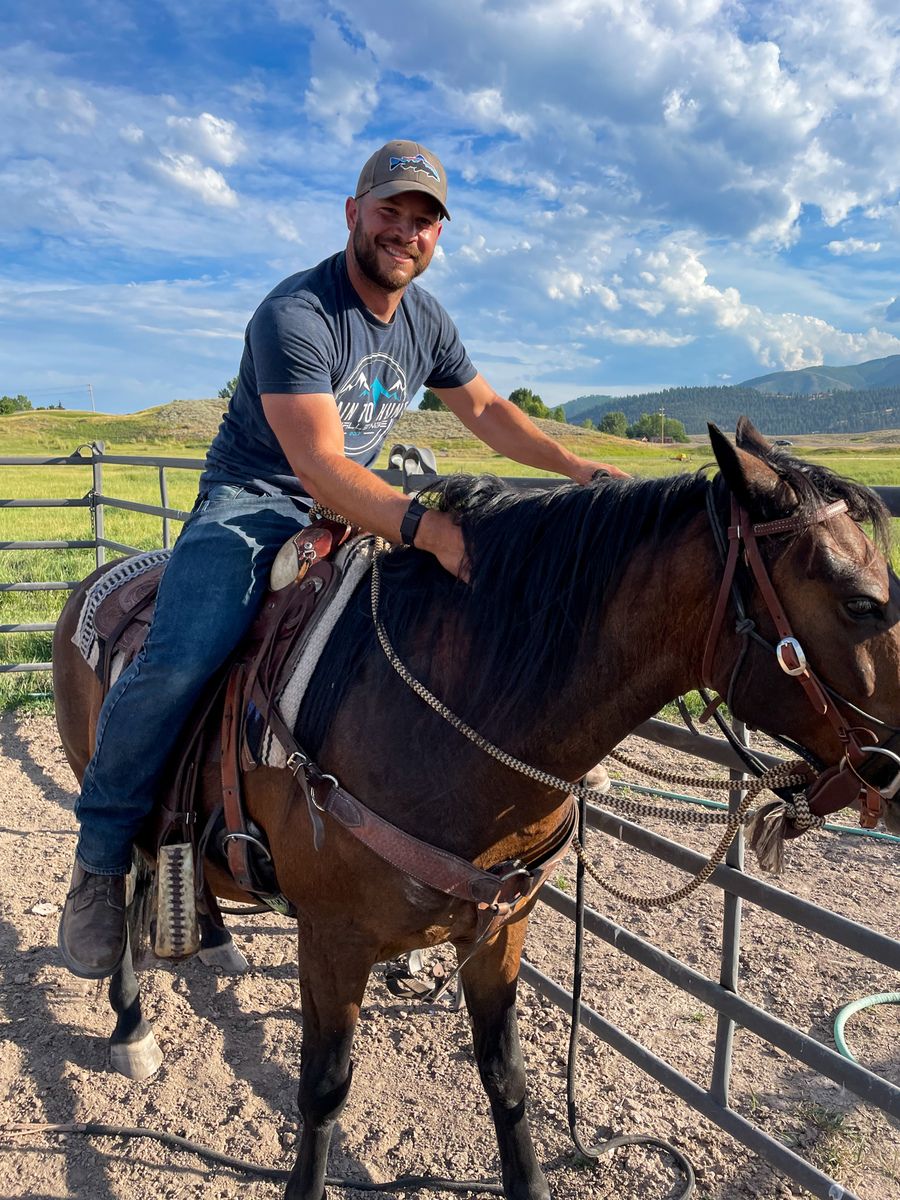
Posting on a Horse: How to Master the Rising Trot Without Bouncing
There’s a moment every new rider experiences—that first time you ask your horse for a trot and suddenly feel like you’re sitting on a jackhammer. Your teeth rattle. Your body bounces. And somewhere in the back of your mind, you wonder if this is really what riding is supposed to feel like.
Here’s the good news: it doesn’t have to be that way.
Posting on a horse is one of those foundational skills that transforms your riding from a jarring, uncomfortable experience into something that feels almost effortless. When you get it right, you’re not fighting the movement—you’re moving with your horse, in rhythm, in partnership.
Let’s break down exactly how to master the rising trot so you can cover ground comfortably, protect your horse’s back, and actually enjoy those trot sessions instead of dreading them.
What Is Posting on a Horse (Rising Trot)?
Posting—also called the rising trot—is the rhythmic motion where you gently rise and sit in time with your horse’s two-beat trot. Instead of absorbing every jarring impact with your spine, you allow the horse’s natural forward momentum to lift you slightly out of the saddle, then settle back down softly.
The trot itself is a diagonal gait. When your horse trots, the left front and right hind leg move together, followed by the right front and left hind. This creates two distinct beats—and your posting syncs up with those beats. One beat up, one beat down.
Now, here’s something that might surprise you: posting isn’t just for English riders. With Western riding as well, when you’re conditioning a horse, covering miles on the trail, or working with a young mount, posting is your friend. It protects the horse’s back and builds your own balance as a rider.
Key benefits of posting:
Reduces jarring impact on both your spine and your horse’s back
Helps you maintain a stable, balanced position
Improves communication between you and your horse through rhythm
Protects horse welfare, especially during longer work sessions
Why Posting Matters for You and Your Horse
Think about what happens during a long sitting trot. Every stride, your full weight drops into the saddle. Your horse’s back absorbs that impact over and over. After 45 minutes of schooling or a conditioning ride, that adds up—for both of you.
Posting changes the equation. By rising and sitting in rhythm, you reduce the concussion on your spine and give your horse’s back a break during every other beat. For horses doing regular work, this helps preserve their topline and keeps their muscles relaxed instead of bracing against constant pressure.
From your perspective as a rider, posting teaches you to find your seat—that elusive quality where your body moves with the horse rather than against it. The balance and position you develop during the posting trot will transfer directly to jumping, flatwork, canter work, and those long trail rides where comfort matters.
For novice adult riders starting lessons in 2026:
Sitting trot requires significant core strength and timing that takes months to develop
Posting trot allows you to stay comfortable while building strength progressively
Most instructors introduce posting first because it’s more forgiving on both horse and rider
Why learn posting well:
Comfort: Less impact on your body means you can ride longer without fatigue
Longevity: Protecting your horse’s back supports soundness over years
Communication: Matching rhythm creates connection and responsiveness
Rhythm: Internalizing the two-beat gait builds feel for all gaits
Correct Position Before You Start Trotting
Good posting starts long before you ever ask for the trot. In fact, if your position isn’t right at the halt and walk, you’ll be struggling from the moment those hooves start moving faster.
The Alignment
When someone watches you from the side, they should be able to draw a straight line from your ear through your shoulder, hip, and down to your heel. This isn’t a rigid, military position—it’s a balanced, ready stance. If your legs drift forward into a “chair seat,” you’ll fall behind the motion every time.
Leg Position
Your thighs rest softly against the saddle without gripping. Knees stay relaxed—pinching will lock you up and make posting nearly impossible. Your calves maintain light contact with your horse’s side, ready to give aids when needed. Heels drop slightly lower than your toes, but don’t force them down so hard that your ankles lock up. Think of your feet resting in the stirrups, not jammed into them.
Pelvis and Seat
Sit on your two seat bones with a neutral pelvis—neither tucked under nor hollowed through your lower back. Here’s a useful test: at the halt, you should feel like you could stand up lightly at any moment without shifting your weight dramatically. That’s the balance point you’re looking for.
Hands and Reins
Imagine a straight line running from your elbow through your hand to the bit. Your hands rest just above and slightly in front of the saddle, steady but elastic. When you post, your hands should stay quiet—no pumping up and down with the motion.
Equipment Check
Before you even think about trotting, verify your saddle fits properly and your stirrups are the right length. Too long and you’ll struggle to rise; too short and you’ll perch above the saddle.
Pre-trot body checklist:
Ear–shoulder–hip–heel alignment verified
Thighs soft, knees relaxed, calves in light contact
Heels slightly lower than toes, ankles flexible
Seat bones weighted, pelvis neutral
Hands steady, elbows hinged softly
Stirrup length appropriate for posting
How to Feel the Trot Rhythm and Posting Diagonal
The trot’s two-beat rhythm creates what are called “diagonals”—those paired leg movements where opposite corners of the horse move together. Understanding diagonals matters because posting on the correct diagonal helps your horse balance, especially in turns.
When you’re tracking around an arena or circling, the inside hind leg works harder—it has to push and support more weight through the turn. By rising when the outside front shoulder moves forward (and sitting when it lands), you briefly unweight your seat just as the inside hind leg pushes off. This gives that hardworking leg a moment of relief.
Two Ways to Check Your Diagonal
The quick glance method: Look briefly at the outside shoulder (the one toward the wall or fence). Rise as that shoulder moves forward. Don’t stare—a quick glance is enough.
The feel method: Eventually, you’ll notice a subtle lifting sensation under your outside hip as that diagonal pair leaves the ground. When you feel that lift, you rise.
Switching Diagonals
If you’re on the wrong diagonal, the fix is simple: sit one extra beat. The pattern becomes “rise, sit, sit, rise” instead of the usual “rise, sit, rise, sit.” It feels a bit like a hiccup in your rhythm, but it gets you back on track without disrupting your horse.
Practice counting the beats aloud—“one-two, one-two”—first at the walk, then at the trot. This helps you internalize the rhythm before you worry about which diagonal you’re on.
Summary:
Feel the two-beat rhythm first
Look briefly at the outside shoulder, or feel the outside hip lift
If wrong, sit one extra beat to correct
Don’t obsess over diagonals before you’ve mastered the basic rhythm
Step‑by‑Step: How to Post on a Horse
Here’s something that helped me when I was first learning: posting should feel small. Really small. You’re not standing up in the stirrups like you’re at a concert trying to see the stage. You’re hovering—just enough to unweight your seat for a beat.
The Process
Start from a balanced walk. Make sure your position is organized—reins with light contact, legs in the right place, body aligned. Rushing into trot from a messy walk sets you up for failure.
Ask for trot with clear aids. Use your legs and seat to request the transition. Keep your hands steady through the change.
Allow the horse’s movement to lift you. This is the key. Don’t push off the stirrups to force yourself up. Instead, let the horse’s forward motion and the natural bounce of the gait do the work. The first time this clicks, you’ll notice how much easier it becomes.
Rise slightly forward and up from your pelvis. Think of your hips moving forward toward your hands, not your shoulders lurching ahead. The motion originates in your pelvis and core, not your upper body.
Hover lightly over the saddle. You only need to clear the seat by a few centimeters. Big, dramatic rises will unbalance both you and your horse.
Sit back down softly. This is where many riders struggle. Slow the final 10% of your descent—imagine you’re absorbing the landing like suspension in a car. No thumping.
Maintain quiet hands throughout. Your arms hinge at the elbow to absorb your body’s movement, keeping the reins steady. If your hands bounce, you’re sending confusing signals to the horse’s mouth.
Breathe. This sounds obvious, but nervous riders often hold their breath and create tension throughout their bodies. Exhale slowly and steadily as you post.
The power for posting comes from your core and upper thighs. Your stirrups are balance points, not springboards. Think of the movement as a small forward-up and back-down arc—almost like a subtle squat—rather than a vertical bounce.
Common Posting Mistakes and How to Fix Them
Mistakes are part of the process. Every rider who’s ever learned to post has fallen into these traps at some point. The goal isn’t perfection from day one—it’s awareness, so you can correct course and keep your horse comfortable.
Standing in the stirrups: Over-straightening your knees and locking your leg joints drives weight down into your stirrups and, by extension, into your horse’s back. Fix this by keeping a slight bend in your knees at all times and letting your thighs bear more of your weight.
Chair seat: Legs pushed forward, body behind the motion, always playing catch-up. Fix this by bringing your legs under your body and imagining you’re in a light squat over the horse’s center of gravity. If the horse disappeared, you’d land on your feet—not fall backward.
Pumping with the shoulders: Using your upper body to create the rise instead of your hips. This throws off your balance and often causes your hands to bounce, disturbing your horse. Fix this by keeping your shoulders over your hips and feeling the movement originate in your pelvis.
Posting too high: Big, dramatic rises that unbalance everything. Fix this by aiming for just enough lift to unweight your seat. A few centimeters off the saddle is plenty.
Heavy landing: Thumping back into the saddle on every down beat. This dulls your horse to leg aids and can hollow their back. Fix this by engaging your core and thighs to absorb the down phase—think shock absorbers, not dead weight.
Staring at the shoulders: Looking down too long to check diagonals throws off your balance and position. A quick glance is enough. Trust your feel to develop over time.
The bottom line: Focus on smoothness and horse comfort over height or speed of posting. Quiet, subtle posting beats dramatic posting every time.
Biomechanics: Let the Horse Lift You (Not Your Stirrups)
Effective posting works with your horse’s back, not against it. When you push off the stirrups to force yourself up, you’re actually pressing down on the horse at exactly the wrong moment—just as their back is trying to lift in the natural swing of the gait.
What Happens When Riders Push Off
Picture this: the horse’s back rises to push you up, but you’re already pushing down on the stirrups to stand. These forces oppose each other. The horse’s back can’t swing freely, so they tense and hollow to protect themselves. Then you drop back into the saddle on the opposite beat, creating alternating pressure that makes the whole experience uncomfortable for your mount.
You might notice a horse that’s being posted incorrectly will show tension—a swishing tail, pinned ears, a rhythm that feels choppy instead of flowing.
The Ideal Feel
When posting works, it feels almost effortless. The horse’s back gently lifts you, like a wave. Your legs and core cushion the return, softening the landing. There’s no fight, no effort—just movement together.
Your thighs and lower abdominals do most of the work. The stirrups are there for balance, not as launch pads.
Summary:
Don’t lift with stirrups—let the horse lift you
Your job is to cushion the landing, not create the rise
Watch for signs of relaxation: softer back, even rhythm, willingness to bend
Drills to Improve Your Posting Trot
Targeted exercises can rapidly improve your strength and timing. These drills work well both on your own and with an instructor on the lunge line.

Standing trot: At the trot, stand lightly in the stirrups for 5-8 strides without posting—just maintain your balance over your feet. Then resume normal posting. This builds leg stability and teaches you to find your balance point.
“Up, up, down” exercise: Rise for two beats, sit for one, repeating the pattern. This challenges your control and helps you refine your rhythm. It’s harder than it sounds.
Two-point at trot: Hold a forward seat (like a jumping position) for half a circle, then return to normal posting. This develops independent leg strength and core stability without relying on the saddle for support.
Posting without stirrups: On a safe, steady horse—ideally on a lunge line—practice tiny, controlled rises using only your core and thighs. Start with just a few strides and build gradually. This is challenging but incredibly effective for developing strength.
“Horse disappears” check: At the halt, adopt a light squat position where you’d land on your feet if your horse suddenly vanished. That’s your balance point. Reproduce that feeling at the trot. If you’d fall backward without the horse, your legs are too far forward.
Counting aloud: While on the lunge, count “one-two, one-two” in time with the trot. This locks you into the rhythm and prevents rushing or lagging behind the beat.
Work in short sets—2-3 minutes per exercise—with walk breaks between. Fatigue leads to sloppy habits, and sloppy habits are hard to undo.
Western vs. English Posting: What Changes, What Stays the Same
The basic mechanics of posting are identical regardless of what saddle you’re sitting in. Rise on one beat, sit on the next, let the horse do the work. The differences come down to context and expectation.
English riders post frequently—it’s standard for flatwork, hunter/jumper schooling, and many dressage exercises (though not always in competition tests). The English saddle, with its closer contact and thinner fenders, demands precise leg alignment and independent balance.
Western riders may sit the jog in show classes, but posting is still valuable for conditioning rides, long trot work, and trail riding. The deeper Western seat and wider fenders can make it easier to grip with your thighs but also tempt riders into a chair seat position. Watch for that tendency and correct it early.
Posting is a foundational skill for both disciplines. Whether you’re schooling in an arena, pushing cattle, or covering miles on a mountain trail, the ability to post comfortably protects your horse’s back and keeps you in control.
Common scenarios:
Scenario | Posting Usage |
|---|---|
Arena schooling (English) | Frequent; standard for flatwork |
Arena schooling (Western) | Less common; jog often preferred |
Trail riding (any saddle) | Highly useful for covering ground efficiently |
Ranch/cattle work | Practical for speed and direction changes |
Conditioning rides | Recommended to protect horse’s back |
Staying Relaxed, Confident, and Kind to Your Horse
If you’re an adult beginner or returning rider, you might feel self-conscious about bouncing around in the saddle while everyone else seems to glide effortlessly. I get it. We’ve all been there.
Here’s what helped me: focus on what you can feel, not how you think you look. Your job is to feel the horse’s back and rhythm, to notice when they relax or tense, to be present in your body rather than worrying about observers on the ground.
Breathing matters more than you’d think. Try exhaling slowly through your mouth for a count of four strides. This keeps your muscles from locking up and helps your seat stay supple. When you hold your breath, everything tightens—and your horse feels it.
Pay attention to your horse’s feedback:
Relaxed ears and a swinging tail suggest comfort
A soft, rounded back means you’re posting well
Choppy rhythm or tension indicates something needs adjustment
Give yourself breaks. Short, focused trot sets—30 to 60 seconds—interspersed with walk on a loose rein work better than long stretches of struggling. Both you and your horse benefit from those mental and physical resets.
And here’s the thing I had to learn with my own horse: progress isn’t linear. Some days the posting feels great. Other days you’ll wonder if you forgot everything you knew. That’s normal. Smooth, quiet posting is a skill developed over weeks and months, not a single ride. Be patient with yourself. Keep showing up. Those 1% improvements will stack up, and eventually you’ll look back amazed at how far you’ve come.
Continue Your Horsemanship Journey with Aspiring Horseman
Posting on a horse is just one piece of the larger puzzle—one skill in a lifetime of learning. If you found this breakdown helpful, you’re exactly the kind of rider we create content for at Aspiring Horseman: thoughtful, curious, and genuinely focused on doing right by your horse.
Our free weekly newsletter delivers practical lessons on riding basics, horse behavior, tack fit, health and more straight to your inbox.
Ready to keep learning? The world and internet is full of self proclaimed "horse experts." When it comes to horse training, opinions and approaches are like people's rear ends... everyone seems to have one and most stink.
At Aspiring Horseman, we help filter out the BS from the real practical advice from experts that know what the heck they are talking about. You don't have to try to figure it all out and travel on your horsemanship journey alone.
Subscribe to the Aspiring Horseman newsletter, become a part of the community, and enjoy the lifelong journey of horsemanship together.