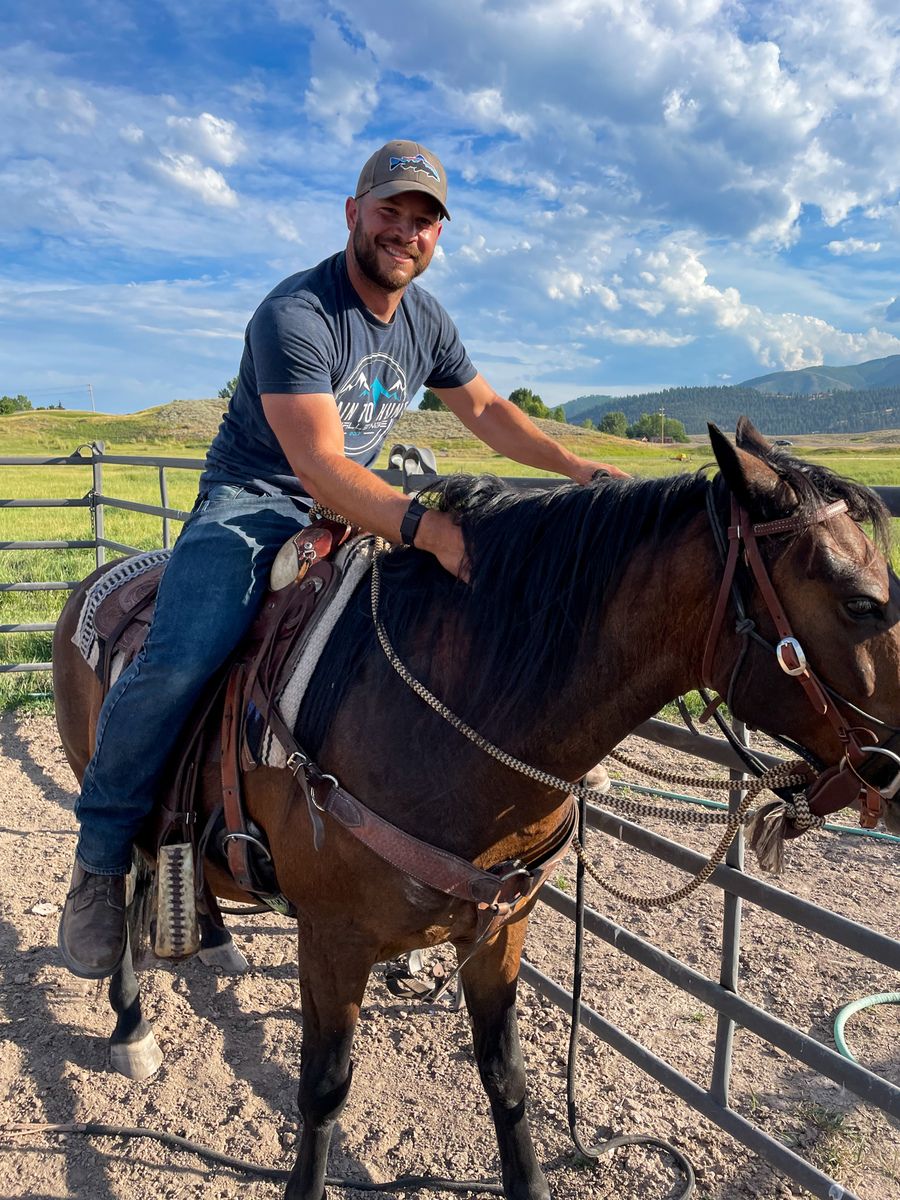

Horses have been a part of human life for centuries; many consider them loyal companions. But how long do horses typically live?
In this blog post, we will discuss the average life expectancy of horses and provide tips on keeping your equine partner and friend healthy and happy for as long and healthy as possible!
Average Lifespan of Horses
The average lifespan of a horse varies depending on breed and environmental factors such as diet, exercise, genetics, climate, and overall health care.
Generally speaking, most breeds can be expected to live between 25 and 30 years, with some reaching up to 40 in exceptional cases. However, some miniature breeds may only reach 15-20 years old due to their small size.
Stages of Maturity in Horses

Horses go through several stages of maturity during their lifetime, from birth to full adulthood. During these stages, they experience physical and mental growth that helps them reach their full potential as a horse.
1. Newborn Stage (Birth to Weaning)
Newborn horses are entirely dependent on their mothers for nutrition.
2. Weanling Stage (4 to 7 months old)
On average, Foals are weaned from mothers between 4 and 7 months old. During weaning, their nutritional needs shift from mostly milk to mostly forages and grains.
3. Youth Stage (weaning to 3 years old)
During the youth stage, a horse does most of its growing. By the approximate age of three, most of a horse's growth plates have closed (although some say they will continue to grow until 5-6)
5. Adult Stage (3 years to 15 years)
Most horses have typically stopped growing (at least in height) and (if properly taken care of) should be in their prime athletic years.
5. Geriatric Stage (15+ years)
After 15 years, older horses start slowing down and require more support to thrive. However, many horses can continue to be productive until they are past 20.
What is the Average Lifespan of Some Common Horse Breeds
The average lifespan of common horse breeds can vary significantly depending on breed and environmental factors such as diet, exercise, genetics, climate, and overall health care, all of which can significantly impact a horse's longevity.
Generally speaking, most breeds of domestic horses can be expected to live between 25-30 years, though smaller types often have longer lifespans than larger breeds.
In particular, ponies tend to outlive larger breeds, and many ponies can live 30-40 years with proper care, while draft breeds often have shorter ranges.
Some notable lifespans for popular horse breeds include:
Arabians (25 - 35 years)
Thoroughbreds (25 - 27 years)
Quarter Horses (27 - 35 years)
Appaloosas (30+ years)
American Paint Horses (25 - 30 years)
Mustang (20 - 25 years)
Clydesdale (25 - 30 years)
Tennessee Walker (28 - 33 years)
Shetland Pony (30 - 40 years)
Andalusian (20 - 25 years)
Miniature Horse (25 - 35 years)
What factors influence the life expectancy of horses?
Breed, workload, and care can significantly impact a horse's longevity.
Diet plays a significant role in horse life expectancy. Horses fed a balanced diet with adequate vitamins and minerals will often live longer than those not. Forage-based diets should also include vitamin and mineral supplements to ensure nutrient balance.
Exercise is another factor that can influence the life span of horses, as regular exercise helps keep them healthy and active. Horses with adequate exercise usually live longer than those confined in a stall or paddock for extended periods. Exercising your horse regularly will help prevent health issues such as colic and other digestive problems.
The environment in which a horse lives also affects its life expectancy. Horses living in climates with extreme temperatures or high humidity can be more susceptible to disease and illness, so providing adequate shelter to protect against the elements is essential. Additionally, horses living in areas with air pollution may develop respiratory issues, reducing their life expectancy.
Genetics is also a key factor in horse life expectancy. Common breeds often reach 25-30 years. Many ponies tend to outlive larger breeds and often have longer lifespans with proper care. Miniature breeds may also live longer than larger breeds, including draft breeds. Wild horses usually live up to 15 to 20 years. Finally, proper health care is critical in extending the life of your otherwise healthy horse. Regular veterinarian visits are essential for the early detection of illnesses or diseases that may affect your horse's lifespan. Vaccines should also be administered regularly, as this will help protect healthy horses against contagious diseases that may shorten their lives. Horses used for high-intensity work may experience more wear and tear than leisure horses.
Does size affect lifespan?
Physical size has a direct effect on the lifespan of horses.
Generally, larger breed horses tend to live shorter lives than smaller breeds.
Smaller breeds of animals, such as ponies and miniature horses, can live as long as 30 years, while larger draft or warmblood breeds typically have a life expectancy of 20-25 years.
Additionally, taller horses with longer legs may experience more stress on their joints due to their size and are, therefore, more prone to developing age-related conditions, which can reduce their lifespan.
How To Determine The Age Of A Horse

The most accurate method to determine the age of a horse is by examining its teeth, though it is not an exact science.
Horses have two sets of teeth: deciduous and permanent teeth, and smaller breeds often outlive larger breeds. The deciduous or baby teeth are typically lost by age five, with the eruption of the permanent set beginning at about three years old.
The permanent teeth will then continue to erupt until the horse is between 5 and 7 years old, while larger breeds and draft breeds generally have shorter lifespans. An experienced veterinarian can help determine a horse's age by examining the wear of the permanent teeth.
When Is A Horse Too Old To Be Ridden?
The answer to this question can depend on various factors, including the horse's health, fitness level, and overall condition.
Generally speaking, horses over 25 may become unsuitable for riding due to age-related conditions such as arthritis and joint problems.
Are you worried about your horse's age and that your horse may be getting too old to ride?
It is recommended to consult your veterinarian and/or experienced equine trainer. They can assess whether it is time to hang it up.
How Can You Help Extend Your Horse's Life?
Regular veterinary care is one of the best ways to extend your horse's life, and it should include regular vaccinations, parasite control, dental care, and routine hoof care. Ensuring your horse gets proper nutrition with a balanced diet, essential nutrients, and clean water can help keep them healthy for many years, since malnutrition can lead to metabolic disorders that affect lifespan. Dental care also helps prevent malnutrition and weight loss, while routine hoof care helps prevent lameness and mobility issues.
Additionally, providing them with a safe living environment, free of hazards, supports mental health and overall well-being, and social interaction with other horses is an important part of a horse's well being. Providing mental stimulation also helps a horse thrive, because stress and boredom can negatively impact health.
Regular exercise helps maintain a horse’s ideal weight and enhances joint function, while tailored exercise routines can prevent obesity. By following these simple steps, owners put the odds in your favor that your equine friend will be around for many years, including into old age. Aging horses are more prone to PPID, metabolic issues, and arthritis, and tumors and cancers are also common in aging horses; in severe cases, laminitis can lead to euthanasia.
Key Takeaway on Horse Lifespan
In conclusion, how long will your horse live? Only God knows. However, there are steps you can take to increase the odds that your horse will be around for years to come.
An ounce of prevention is worth a pound of cure.
Don't take a reactionary approach to horse care and only address something when there is an issue.
Preventative steps like ensuring they get the necessary vaccinations and deworming treatments, have access to a balanced diet, and live in a safe environment can help them stay healthy for many more years of a long and healthy life.