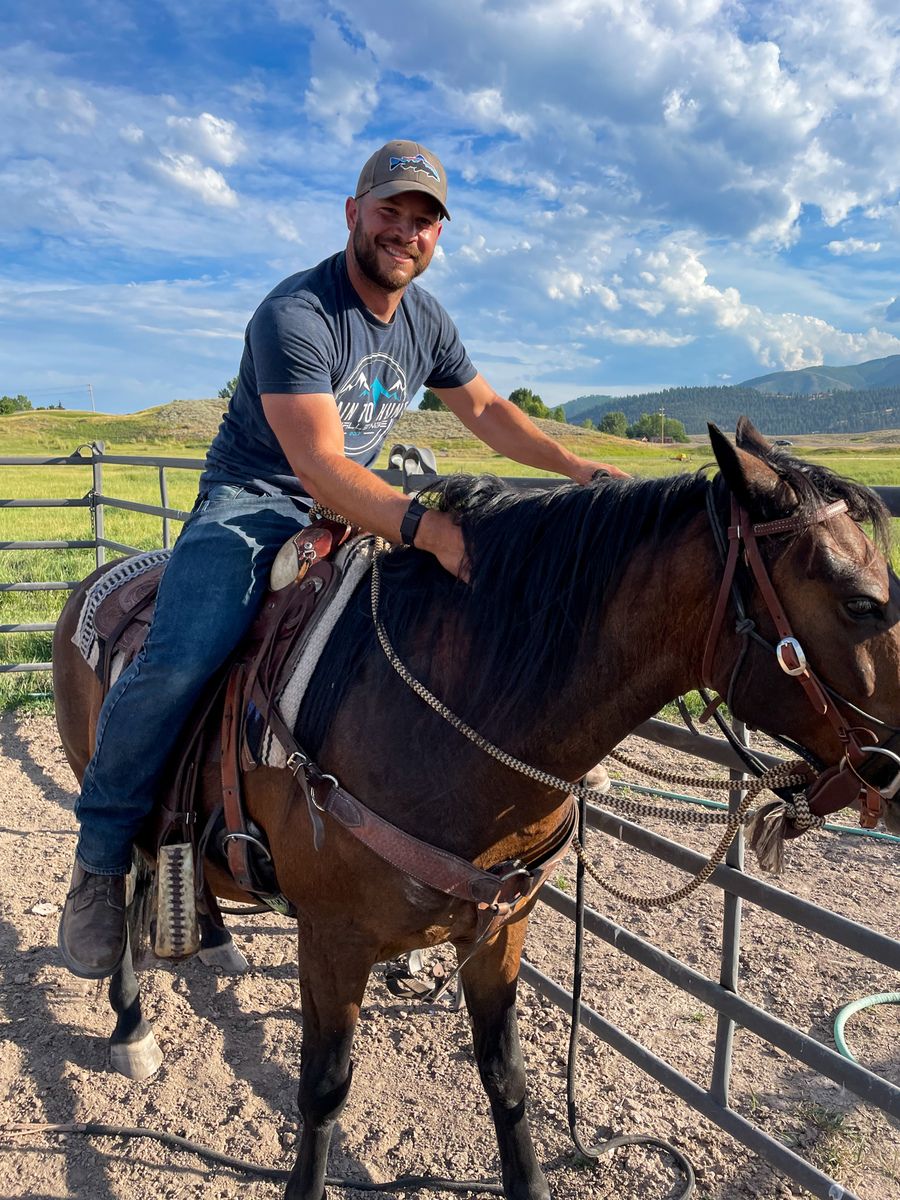
If you’re new to horses, learning basic horse terms can feel overwhelming at first. From anatomy and coat colors to tack, behavior, and barn life, horses come with a language of their own.
This beginner-friendly guide breaks down the most common horse terms you’ll hear around the barn, during lessons, or when talking with veterinarians and trainers—without jargon or gatekeeping.
Whether you’re considering horse ownership, just starting lessons, or simply want to understand what people are talking about, this guide will give you a solid foundation.
Introduction to Horses
Horse riding, when you really get down to it, is this incredible partnership between horse and rider.
Whether you're dreaming about those peaceful trail rides, thinking about taking some lessons, or you're just starting to fall down this rabbit hole of learning about these amazing animals, understanding the basics of horse-related terminology is an important step in the process.
Basic Horse Terms (Age & Sex)
These are some of the first horse terms beginners learn.
Mare – An adult female horse
Gelding – A male horse that has been castrated
Stallion – An adult male horse that has not been castrated
Foal – A young horse of either sex, usually under one year old
Colt – A young male horse under four years old
Filly – A young female horse under four years old
Yearling – A horse between one and two years old
Weanling – A foal recently separated from its mother
Horse Anatomy Terms
Understanding basic horse anatomy helps with communication, safety, and care.
Horse's head – Includes the eyes, ears, nostrils, mouth, and jaw. The shape and profile of the horse's head, such as a dished face or Roman nose, are important for conformation and can affect how equipment like halters, bridles, or bits fit and function.
Horse's neck – Connects the head to the body. The length, shape, and set of the horse's neck are crucial for balance, movement, and overall conformation, influencing both performance and breed characteristics.
Withers – The ridge between the shoulder blades (used to measure height)
"Mutton Withered" - Describes a equine conformation with low or absent withers
Poll – The area just behind the ears
Forelock – The hair that falls between the ears
Horse's body – Refers to the main trunk of the horse, including the barrel, back, and loin. The body’s structure is key for assessing overall conformation and health.
Barrel – The rounded midsection of the horse
Horse's belly – The underside of the horse’s body, located between the barrel and the hindquarters. The belly’s appearance can indicate health issues, such as hay belly or digestive problems, and is important in conformation assessment.
Cannon Bone – The long bone between the knee and fetlock
Fetlock – The joint above the hoof
Pastern – The area between the fetlock and hoof
Hoof / Horse's foot – The horse's hooves are the hard outer foot of the horse, containing internal structures like the coffin bone and frog. Proper understanding of the horse's foot anatomy is essential for hoof care, diagnosing issues like laminitis, and maintaining soundness.
Frog – The V-shaped structure on the bottom of the hoof
Hind legs – The rear limbs of the horse, including the thigh, gaskin, hock, and cannon bone. The structure and alignment of the hind legs are vital for movement, power, and overall performance.
Hind feet – The hooves at the end of the hind legs. Their anatomy and condition play a significant role in the horse’s gait, balance, and conformation.
Hock – The large hind leg joint (similar to a human ankle)
Stifle – A joint similar to a human knee
Horse's mouth – Includes the lips, bars, tongue, and cheek area. The anatomy of the horse's mouth is important for proper bit placement, comfort, and maintaining oral health.
Horse Coat Colors & Markings
Horse color terminology is one of the most searched topics by beginners, especially when describing a horse's coat, which includes its color, markings, and overall appearance.
Bay – Brown body with black mane, tail, and lower legs
Chestnut (Sorrel) – Red or copper body with mane and tail the same color or lighter
Black – Black body, mane, and tail
Gray – Born dark and lightens with age
Palomino – Golden body with a light mane and tail
Buckskin – Tan or gold body with black points
Roan – Even mix of white and colored hairs, with the horse's tail and mane often matching the base color
Dun – Tan body with primitive markings like a dorsal stripe, and a mane and horse's tail that are usually darker than the body
Completely white coat – Entirely white hair covering the body, mane, and horse's tail, with pink skin underneath; the white color is uniform across the horse
Common markings:
Star – White marking on the horse's forehead
Blaze – Wide white stripe down the face, extending over the horse's forehead
Sock – White marking partway up the leg
Stocking – White marking extending higher up the leg
Horse Behavior & Training Terms
These terms describe how horses move, react, and learn.
Spook – A sudden reaction to something frightening
Bolt – To run suddenly and uncontrollably
Lunge – To work a horse on a circle at the end of a long line
Yield – To give way to pressure
Green – Inexperienced or newly trained
Ground manners – How a horse behaves when handled from the ground
Desensitizing – Gradually teaching a horse not to overreact to stimuli
Horse stretches – Exercises or stretches performed by or with the horse to improve flexibility, loosen muscles, and promote overall well-being, often included in grooming or warm-up routines
Tack & Equipment Terms
“Tack” refers to the equipment used to handle and ride horses.
Halter – A headpiece used for leading a horse and tying it up
Lead rope – Rope attached to the halter for leading
Bridle – Headgear used for riding. Also referred to as a headstall
Bit – A device attached to the bridle and placed in the horse's mouth to help control the horse
Reins – Straps attached to the bit and used by the rider to stop, turn, and back a horse
Saddle – The seat designed to fit both rider and horse to make the act of riding more comfortable, placed on the horse’s back
Girth / Cinch – A leather, canvas or corded band (usually made out of 100% Mohair or a Mohair Blend) that buckles to and holds the saddle in place
Stirrups – Foot supports attached to the saddle
Saddle pad / blanket – Padding or a blanket placed under the saddle for cushioning and comfort for the horse’s back
Dressage saddle – A type of saddle with a deep seat and straight flaps, designed to position the rider over the horse’s center of gravity for precise control and balance in dressage
Saddle horn – A prominent projection on the pommel of a western saddle, providing a handhold for the rider
Metal or plastic comb – A grooming tool used for detangling and finishing the mane and tail
Tail brush – A sturdy brush designed for detangling and grooming the horse’s tail, promoting a healthy shine
Curry Comb - A grooming tool, usually rubber or metal with teeth, used primarily to remove loose hair, mud, and dirt from their coats
Riding & Movement Terms (Gaits & Horse Riding Terms)
These terms help describe how a horse moves.
Walk – Four-beat gait, slowest pace
Trot – Two-beat gait, faster than a walk
Canter – Three-beat gait, smoother and faster than a trot
Gallop – Fastest gait
Posting – Rising and sitting with the trot
Lead – Which front leg reaches farther at the canter
Diagonal – Paired legs moving together at the trot
Gaited horse – Refers to horses that have a specific way of moving, often characterized by unique, smooth gaits. (Check out this article on everything Gaited Horses.)
Horse travels – Describes the way a horse moves across different gaits, assessing smoothness, movement, and responsiveness.
Horse performs – Refers to how a horse demonstrates skills, movement, or behavior during events, showcasing athleticism and ability.
English riding – A style of riding with disciplines such as dressage, hunt seat, and show jumping, known for specific skills, attire, and performance standards.
Common English riding classes – Include hunter, jumper, dressage, and hunt seat equitation, each focusing on different riding disciplines and horse performance tests.
Horse Health & Care Terms
Knowing these horse terms can help you spot problems early.
Farrier – A professional who trims hooves and applies shoes
Veterinarian (Vet) – Medical professional for horses
Colic – Abdominal pain; often an emergency
Sound – Free from lameness
Lame – Showing uneven movement or pain
Body Condition Score (BCS) – System used to assess a horse’s weight and overall health. Monitoring a horse's weight through BCS helps identify if the horse is underweight, overweight, or at an ideal condition, which is important for evaluating conformation, weight-carrying ability, and detecting health issues.
Deworming – Treating internal parasites
Floating – Filing teeth to remove sharp edges
Barn & Horse Ownership Terms
These terms are commonly used around boarding barns.
Boarding – Paying to keep your horse at a stable
Pasture board – Horse lives mostly outdoors
Stall board – Horse lives in a stall part or full-time
Turnout – Time spent outside
Blanketing – Putting a blanket on a horse
Mucking – Cleaning manure from a stall
Bedding – Material placed in stalls
Side of a horse – The 'near side' refers to the left side of the horse, while the 'off side' refers to the right side. These terms are important for handling, grooming, and veterinary care.
Male donkey – A male donkey is called a jack. Male donkeys are often used in breeding programs and have distinct roles in equine management.
Female donkey – A female donkey is called a jenny. Female donkeys are important in breeding and have specific care requirements.
Wild horse – A wild horse is a free-roaming, non-domesticated horse that lives independently of humans, such as the mustangs found in North America.
Light horse – A light horse is suitable for riding or carriage work, and is distinct from heavy horses or ponies.
Draft horse – A draft horse is any horse used for hauling vehicles or heavy loads, typically associated with large, strong breeds designed for heavy-duty farm or industrial work.
Final Tip for Beginners
You don’t need to memorize every horse term at once. Learning horse terminology happens naturally with time, experience, and asking questions. Most horse people are happy to explain—especially when they know you’re learning.